
Terminal and yard operations
At Westshore Terminals, 200+ frontline workers moved from paper to digital workflows they can reach from the field. AI flags the exceptions; the supervisor makes the call.
For terminals, yards, and freight desks that run three shifts and cannot stop.
The night shift inherits a paper handover. A container waits on a form in someone's inbox. The safety procedure sits in a binder, not on the yard. We rebuild that work for operators moving billions in cargo.
The redeveloped TOPS platform enabled our frontline team to access important information from the field, and make better, real-time operational decisions to optimize our business and improve efficiencies.
At Westshore Terminals, 200+ frontline workers moved from paper to digital workflows they can reach from the field. AI flags the exceptions; the supervisor makes the call.
Routine reads and routing on shipping documents happen automatically. At one national logistics operator with manual review at every stage, documents and approvals were completed 60% faster.
One global supply chain operator ran fifteen disconnected data environments. Consolidated into one platform, partners saw the same picture in real time, with approximately 10% cost savings per container shipped.
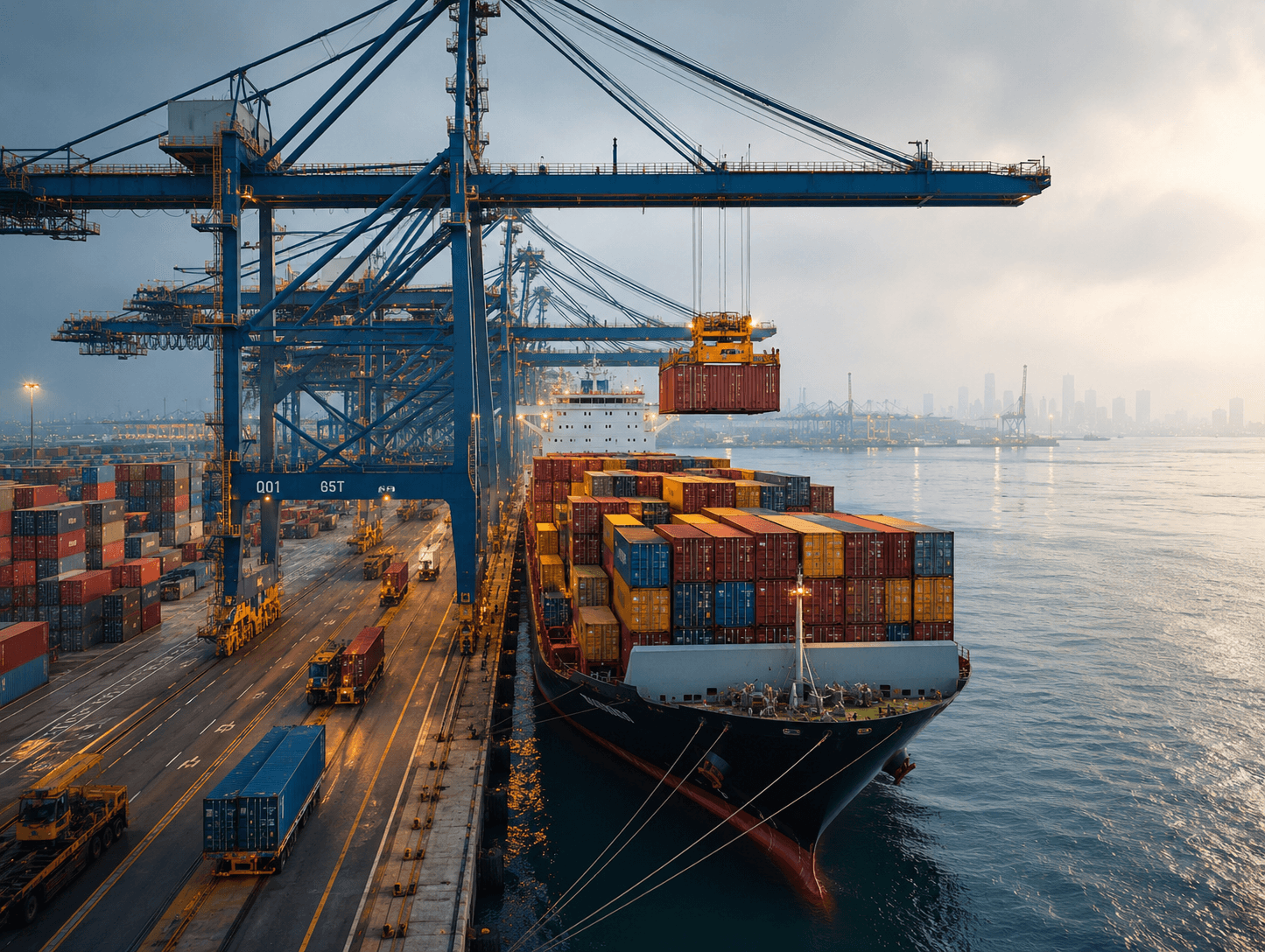
Carrier rate contracts that analysts transcribed by hand into 378-column import files, one row per rate, now pass through an AI pipeline built so that code reads the file, AI reads the sentences, a person decides, and the client's own file is the judge. 53,543 rows from a single contract, zero silent errors. The same pattern fits any document-heavy process where a person turns long, inconsistent documents into a strict system record.
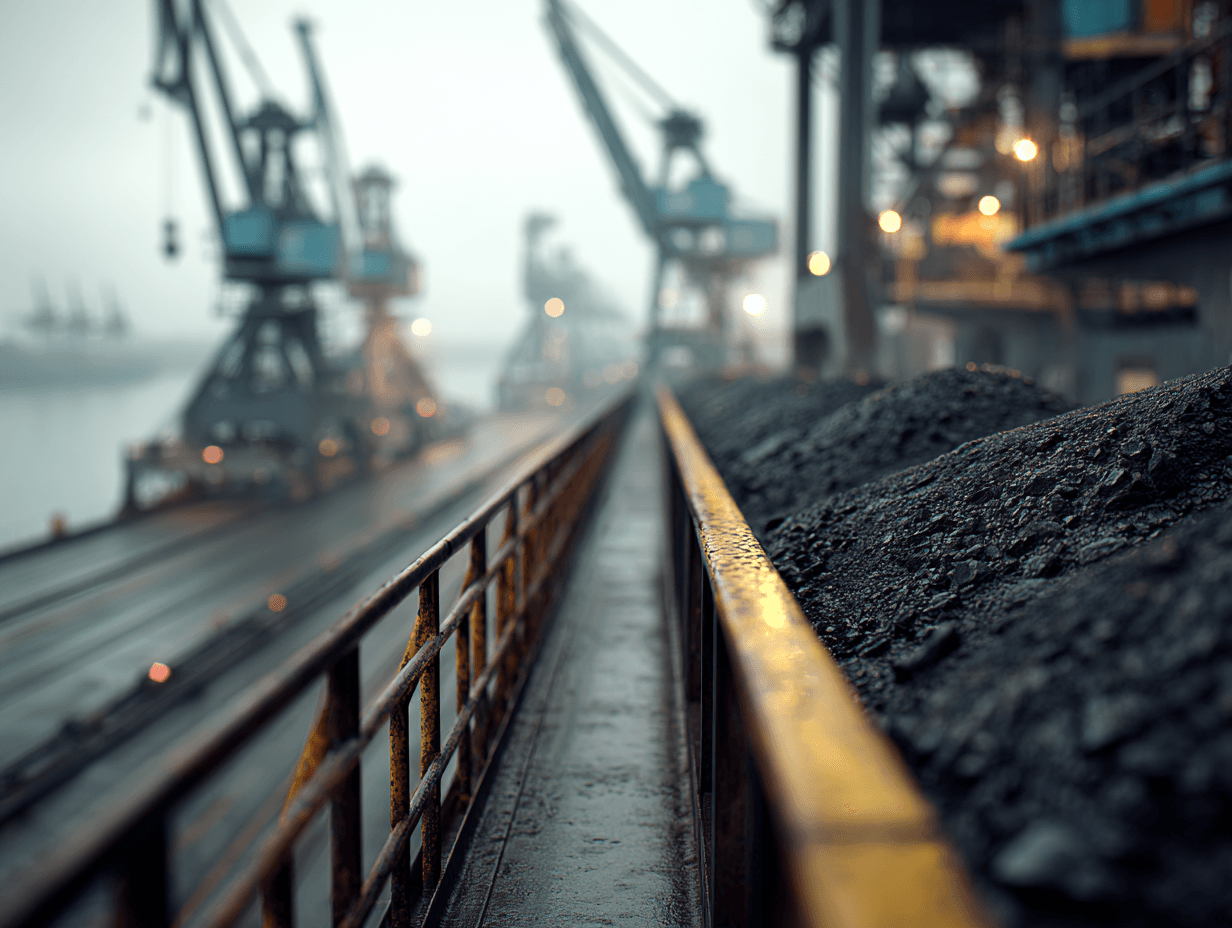
End-of-life terminal management system replaced with a real-time digital workflow platform - transforming manual, paper-based operations for 200+ frontline workers.

15 disconnected data environments consolidated into a unified cloud-native platform - enabling real-time visibility, 10% cost savings per container, and data-driven decision-making across the full supply chain.
Yards and terminals drop connectivity. The workflows are designed to fail safely and resume cleanly when it returns, so a shift does not stall on a dead spot.
The workflow separates what AI does (reads, sorting, routine steps) from what a person owns (safety approvals, exceptions, oversight). That split is drawn in the Transformation Blueprint, before anything is built.
The code lives in your repository and your cloud, whether that is Azure, Google Cloud, or AWS, behind your own access controls. There is no Architech platform to lock into.
A person signs off where it matters, access is scoped by role, and every action is traceable. The AI Foundations Blueprint proves how AI reaches your data before any build begins, so your security lead sees the pattern before code is written.
Outcome Assurance ties the system to the business metric the workflow was built to move, not to model scores. From the start of a Transformation Blueprint, the first workflow is typically live in 5 to 7 weeks. If the KPI does not move, the workflow is not done.
Pick the workflow that matters most and set the sliders to how the work runs. Every figure is built from your own numbers, not our projections.
No savings promises. A structural read on how much of one workflow's annual cost sits in the steps AI typically touches.
Built entirely from your own numbers. The diagnostic later opens pre-filled with what you set here, so nothing is asked twice.
What you get
Name the part that costs too much or takes too long. We come back with where AI can move the number and how an AI Jumpstart would scope it.
For Logistics operations.
Prefer to talk to an engineer first?
Talk to an AI Engineer